


 English
 Español
 Portugues
 Pусский
مخفض مزدوج الشفاه
المخفض مزدوج الشفة هو نوع من تركيبات الأنابيب مصمم لربط خطي أنابيب بأقطار مختلفة مع توفير اتصال قوي وآمن وسهل الصيانة. يُستخدم على نطاق واسع في أنظمة الأنابيب التي تتطلب تغييرًا في حجم الأنبوب، خاصة في التطبيقات التي تشمل إمدادات المياه ومعالجة مياه الصرف الصحي وأنظمة التدفئة والتهوية وتكييف الهواء والمعالجة الكيميائية ومحطات الطاقة ونقل السوائل الصناعية. يُطلق على التركيب اسم "مزدوج الشفة" لأن كلا الطرفين مجهزان بشفاه، مما يسمح بربطه مباشرةً بالأنابيب والصمامات والمضخات والمعدات الأخرى ذات الشفاه المجاورة. يشير مصطلح "المخفض" إلى غرضه في الانتقال من أنبوب ذي قطر أكبر إلى أنبوب ذي قطر أصغر، أو العكس في بعض التكوينات. الوظيفة الرئيسية للمخفض مزدوج الشفة هي ضمان انتقال سلس للتدفق بين أحجام الأنابيب المختلفة. من خلال تقليل قطر الأنبوب تدريجيًا، يساعد على تقليل الاضطراب وفقدان الضغط والاهتزاز داخل النظام. وهذا يجعله مكونًا مهمًا في خطوط الأنابيب التي يكون فيها أداء التدفق المستقر ضروريًا. مقارنةً ببعض طرق الاتصال الأخرى، يوفر التصميم مزدوج الشفة قوة ميكانيكية أفضل وتفكيكًا أسهل، وهو أمر مفيد بشكل خاص في الأنظمة التي تتطلب فحصًا أو صيانة أو استبدالًا منتظمًا للأجزاء. عادةً ما يتم تصنيع المخفضات مزدوجة الشفة من مواد مثل الحديد المطيل والفولاذ الكربوني والفولاذ المقاوم للصدأ أو السبائك الأخرى المقاومة للتآكل. يعتمد اختيار المادة على بيئة العمل ونوع السائل وتصنيف الضغط وظروف درجة الحرارة. على سبيل المثال، تُستخدم مخفضات الحديد المطيل بشكل شائع في أنظمة توزيع المياه بسبب قوتها ومتانتها، بينما يُفضل الفولاذ المقاوم للصدأ في البيئات المسببة للتآكل أو التطبيقات الصحية. يمكن أيضًا تطبيق طبقات الحماية مثل الإيبوكسي أو الجلفنة لتحسين مقاومة الصدأ والتآكل. تتضمن بنية المخفض مزدوج الشفة بشكل عام طرفي شفة وجسمًا مستدقًا أو مخفضًا متحد المركز. في المخفض المتحد المركز، تظل خطوط المركز لأنفي الأنبوبين محاذية، مما يجعله مناسبًا لأنظمة الأنابيب العمودية أو التطبيقات التي يكون فيها التدفق المتماثل مهمًا. في المخفض اللامركزي، تكون خطوط المركز متفاوتة، مما يساعد على منع تراكم الهواء أو احتجاز السوائل في خطوط الأنابيب الأفقية. يعتمد الاختيار بين الأنماط المتحددة المركز واللامركزية على متطلبات التركيب المحددة. يعد تركيب المخفض مزدوج الشفة أمرًا بسيطًا نسبيًا. يتم توصيله عن طريق إدخال البراغي من خلال فتحات الشفة وربطها بشفاه وحشوات مطابقة لإنشاء وصلة محكمة. يعد اختيار الحشية الصحيحة وإحكام ربط البراغي أمرًا ضروريًا لمنع التسرب والحفاظ على سلامة النظام. نظرًا لأن المخفض مشفه على كلا الطرفين، يمكن إزالته واستبداله دون قطع الأنبوب، مما يوفر الوقت ويقلل من تكاليف الصيانة. بشكل عام، يعد المخفض مزدوج الشفة تركيبًا أساسيًا في أنظمة الأنابيب الحديثة. فهو يجمع بين القوة والموثوقية والملاءمة، مما يجعله مناسبًا لمجموعة واسعة من التطبيقات الصناعية والبلدية. إن قدرته على ربط الأنابيب ذات الأحجام المختلفة مع الحفاظ على تدفق فعال تجعله مكونًا عمليًا وقيمًا في كل من التركيبات الجديدة وترقيات النظام.
نتاج
-
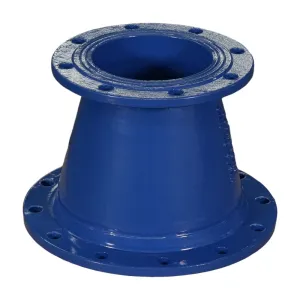
وصلة اختزال بشفة مزدوجة
تصنيفها: تركيبات الأنابيبالمشاهدات: 114عدد:وقت الإصدار: 2026-08-07 19:36:00تُصنع تركيبات الأنابيب من الحديد الزهر ذي الجرافيت الكروي. وهذا يسهّل مدّ الخطوط الرئيسية في المناطق الحضرية المزدحمة في المدن الكبرى، ويؤدي إلى غرف صمامات أصغر حجمًا، يعتمد حجمها أساسًا على المساحة التي تشغلها التركيبات. وعادةً ما تُستخدم لتوصيل الأنابيب بالمياه أو سوائل أخرى أو الغازات، سواء كانت تحت ضغط أو بدونه، وتُركَّب تحت الأرض أو فوقها، وهي تتيح للأنابيب الانحراف أو تغيير الاتجاه أو الفتحات. -
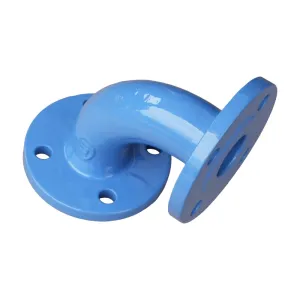
كوع مزدوج الشفة
تصنيفها: تركيبات الأنابيبالمشاهدات: 117عدد:وقت الإصدار: 2026-08-07 19:37:40تركيبات الأنابيب مصنوعة من حديد مطيل يحتوي على جرافيت كروي. وهذا يُسهّل مدّ الخطوط الرئيسية في المناطق الحضرية المزدحمة في المدن الكبيرة، ويؤدي إلى تصغير حجم غرف الصمامات، التي يعتمد حجمها بشكل رئيسي على المساحة التي تشغلها التركيبات. وعادةً ما تُستخدم لربط الأنابيب بالمياه أو السوائل أو الغازات الأخرى، تحت ضغط أو دون ضغط، سواءً في التركيبات تحت الأرض أو فوقها، كما تسمح بانحراف الأنابيب أو تغيير اتجاهها أو عمل فتحات بها.
أخبار
تصنيف:
لا توجد نتائج بحث!
حالة
تصنيف:
لا توجد نتائج بحث!
فيديو
تصنيف:
لا توجد نتائج بحث!
تحميل
تصنيف:
لا توجد نتائج بحث!
تجنيد
تصنيف:
لا توجد نتائج بحث!
المنتجات الموصى بها
لا توجد نتائج بحث!



 واتس اب
 هاتف
هاتف